Bitcoin ATMs in London: Locations, Fees & How to Use Them (2026)

Everything you need to know about buying Bitcoin at ATMs across London — from locations and operator details to fees, KYC rules, and why most savvy Londoners now skip the ATM entirely in favour of online exchanges.

Updated April 2026 FCA-Compliant Operators Only Interactive London Map
5-10%
Typical ATM Fee
1
FCA-Registered Operator
0.25%
Online Exchange Fee
KYC
Required at All ATMs

The State of Bitcoin ATMs in London (2026)
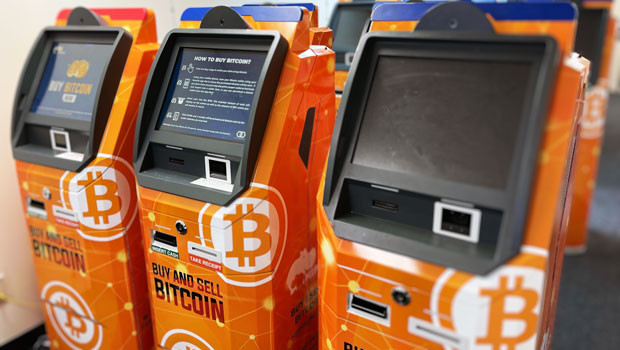
Bitcoin ATM machine in a London shop

Bitcoin ATMs were once a familiar sight across London. Between 2018 and 2021, dozens of machines popped up in corner shops, vape stores, and convenience stores throughout the capital. Walking through Shoreditch, Camden, or the West End, you could hardly go a few streets without spotting one. Then the FCA stepped in.

In March 2022, the Financial Conduct Authority issued a warning stating that none of the crypto ATM operators in the UK were registered with them. The regulator ordered all unregistered machines to be shut down or face enforcement action. The result was a dramatic overnight reduction in the number of operational Bitcoin ATMs across London and the wider UK.

Fast forward to 2026, and the landscape looks very different from those freewheeling early days. The number of Bitcoin ATMs in London has stabilised at a fraction of what it once was. Only operators that have successfully navigated the FCA's registration process are permitted to run machines, and the compliance burden means that the casual, no-questions-asked Bitcoin ATM experience is a thing of the past.

That said, Bitcoin ATMs still serve a genuine purpose for certain users. If you prefer to buy Bitcoin with physical cash, need a quick in-person purchase without setting up an online account in advance, or simply want the tangible experience of feeding notes into a machine and watching Bitcoin arrive in your wallet, London's remaining ATMs can deliver that. The question is whether the convenience justifies the cost — and for most people, the honest answer is no.

Expert Insight

I visited a dozen Bitcoin ATMs across London over the past three years to test the experience firsthand. The reality in 2026 is that finding a working machine is half the battle. Online trackers often show machines that have been removed, relocated, or are temporarily offline. My advice: always call the venue before making a trip, especially if it is a long journey. Nothing is more frustrating than arriving at a corner shop in East London only to find the ATM has been gone for six months.

The regulatory environment has continued to tighten. The Financial Services and Markets Act 2000 (Cryptoassets) Regulations 2026, passed by Parliament in February 2026, brings all crypto activity — including ATM operations — more firmly within the FCA's remit. When the full regime takes effect in October 2027, ATM operators will need to meet even stricter standards around consumer protection, transaction monitoring, and reporting. This is good news for consumer safety, but it means the barrier to entry for new ATM operators remains extremely high.

In this guide, we will cover everything London residents need to know about Bitcoin ATMs in 2026: where to find them, what they cost, how the experience compares to online exchanges, and — critically — whether you should use one at all. We have tested the machines, spoken to operators, and crunched the numbers so you can make an informed decision.

Bitcoin ATM Map of London

The map below shows central London and surrounding areas where Bitcoin ATMs have historically been concentrated. Note that individual ATM locations change frequently — machines are installed, removed, and relocated on a regular basis. We recommend using CoinATMRadar for real-time tracking of specific machine locations, as their database is updated by operators and users alike.

Historically, Bitcoin ATMs in London have been clustered in high-footfall commercial areas. The most common locations include convenience stores and newsagents along busy high streets, shopping centres in zones 1 and 2, transport hubs near major stations, and independent retail shops in areas like Shoreditch, Camden, Brixton, and Stratford. However, the FCA's 2022 crackdown removed the majority of these machines, and only those operated by registered providers remain.

Bitcoin ATM Operators in London (2026)

The Bitcoin ATM operator landscape in the UK has consolidated dramatically since the FCA's intervention. Where there were once dozens of companies running machines with minimal oversight, the market is now dominated by a small number of FCA-registered operators that have invested heavily in compliance infrastructure.

BCB ATM — The Primary UK Operator

Bitcoin ATM operator logo

BCB ATM is the leading Bitcoin ATM operator in the United Kingdom and the primary provider with FCA registration. The company operates a network of machines across London and other major UK cities, positioning itself as the compliant choice in a market that was once plagued by unregistered operators.

BCB ATM's machines support both buying and, at select locations, selling Bitcoin for cash. The company has invested significantly in KYC technology, with machines featuring ID scanning, phone number verification, and in some cases biometric checks. Their fee structure typically sits in the 5% to 8% range, which is competitive for the ATM market but still substantially higher than online exchanges.

What sets BCB ATM apart from the operators that were shut down is their commitment to regulatory compliance. Every transaction is monitored for suspicious activity, and the company works closely with the FCA and law enforcement to ensure their machines are not used for money laundering or other financial crimes. This level of oversight is precisely what was missing from the pre-2022 landscape.

Tracking ATM Locations with CoinATMRadar

CoinATMRadar is the most widely used global directory for locating Bitcoin ATMs. The platform provides a searchable map showing ATM locations, supported cryptocurrencies, fee information, and user reviews. For London specifically, you can filter by neighbourhood or postcode to find the nearest machine.

However, it is worth noting that CoinATMRadar's data is not always perfectly up to date. Machines are removed or go offline without the listing being immediately updated. We recommend using the platform as a starting point and then confirming availability by contacting the host venue directly before making a journey.

Warning: Unregistered ATMs

If you encounter a Bitcoin ATM in London that is not operated by an FCA-registered provider, do not use it. Unregistered machines may be operating illegally, and transactions through them offer you no consumer protection. The FCA maintains a Warning List of unauthorised firms — always check before using any crypto service.

Known Bitcoin ATM Locations in London (2026)

Bitcoin ATM locations in London are considerably fewer than they were at the market's peak. The FCA's regulatory action in 2022 removed hundreds of machines across the UK, and the recovery has been slow and deliberate. Only machines operated by FCA-registered companies are legally permitted to function.

As of April 2026, Bitcoin ATMs in London can typically be found in the following types of locations:

  • East London — Select convenience stores and newsagents in Stratford, Whitechapel, and Mile End have hosted BCB ATM machines. The Stratford area, with its high foot traffic near the Westfield shopping centre, has been a relatively consistent location.
  • North London — Machines have appeared in shops along busy high streets in Tottenham, Wood Green, and Finsbury Park. Availability in these areas tends to fluctuate as host venues change their arrangements with operators.
  • South London — Brixton and Peckham have seen ATM installations, often in independent retail shops. The Brixton Village area was once a notable cluster, though numbers have reduced.
  • West London — Shepherd's Bush and Hammersmith have hosted machines, typically in convenience stores near transport links.
  • Central London — While you might expect the City of London and West End to have the most ATMs, the high commercial rents in these areas make them less economically viable for ATM operators. A small number of machines have operated near major stations such as Victoria and Paddington.

Important Note on ATM Availability

Specific ATM locations change regularly. Machines are installed, relocated, and removed based on operator decisions, venue agreements, and regulatory compliance. The areas listed above represent historically common locations, but we strongly recommend checking CoinATMRadar or contacting BCB ATM directly for the most current information before making a trip. We update this page periodically, but real-time accuracy is not possible given the fluid nature of the market.

The decline in ATM numbers is directly tied to FCA regulation. Before the 2022 crackdown, the UK had well over 80 Bitcoin ATMs, with London accounting for roughly a third of them. Today, the number across the entire UK is significantly lower, and London's share reflects this reduction. The operators that remain have chosen quality and compliance over volume, which is ultimately better for consumers even if it means fewer convenient locations.

How to Use a Bitcoin ATM in London — Step by Step

Using a Bitcoin ATM is more straightforward than many first-timers expect, but there are a few things you should know before you walk up to the machine. Here is the complete process for buying Bitcoin at an ATM in London in 2026.

Prepare Before You Go

Before heading to an ATM, make sure you have: a Bitcoin wallet installed on your phone (any reputable wallet app will work), a valid government-issued photo ID (passport or UK driving licence), your mobile phone for SMS verification, and physical cash in GBP (most London ATMs accept only banknotes, not coins). If you do not yet have a Bitcoin wallet, download one before you leave — setting one up at the machine wastes time and may frustrate people waiting behind you.

Verify Your Identity (KYC)

All FCA-compliant Bitcoin ATMs in London now require identity verification. The process varies slightly by operator, but typically involves entering your mobile phone number and receiving an SMS verification code, scanning your government-issued photo ID using the ATM's built-in camera, and in some cases, completing a facial recognition check by looking into the camera. First-time users should allow an extra 5 to 10 minutes for this step. Subsequent visits are usually faster as your details are stored in the operator's system.

Select Your Transaction

Choose "Buy Bitcoin" on the ATM screen. Some machines also support Ethereum and Litecoin, but Bitcoin is universally available. The screen will display the current exchange rate, which typically includes the operator's fee already baked into the price. Pay close attention to this rate and compare it mentally to the market price — this is where the ATM's premium becomes apparent.

Scan Your Wallet Address

Open your Bitcoin wallet app and display your receiving address as a QR code. Hold it up to the ATM's scanner. The machine will read the code and confirm the wallet address on screen. Double-check that the address displayed matches your wallet — sending Bitcoin to the wrong address means losing it permanently. If the ATM's camera is struggling to read your screen, try increasing your phone's brightness.

Insert Cash

Feed your GBP banknotes into the machine. Most London ATMs accept denominations from £10 upward, with transaction limits typically ranging from £20 minimum to £500 or £1,000 maximum per transaction (higher limits may require enhanced verification). The machine will display the amount of Bitcoin you will receive after fees. This is the moment of truth — if the amount seems too low relative to the cash you are inserting, the fees may be higher than you are comfortable with.

Confirm and Collect Your Receipt

Review the transaction details one final time: the amount of GBP you are spending, the amount of Bitcoin you will receive, the wallet address, and the exchange rate. If everything looks correct, confirm the transaction. The machine will process the purchase and the Bitcoin will be sent to your wallet. Most ATMs print a receipt with a transaction ID — keep this for your records and for HMRC tax reporting purposes. Bitcoin transactions typically appear in your wallet within 10 to 30 minutes, depending on network congestion.

Expert Insight

Here is a practical tip most guides do not mention: Bitcoin ATM exchange rates update on a delay, and they always lean in the operator's favour. During periods of high Bitcoin price volatility, the rate displayed on the machine can lag the real market rate by several minutes. In a rapidly falling market, this works against you even further on top of the standard fee. If the price is swinging wildly, consider waiting for calmer conditions or using an online exchange where you can see the live order book.

Bitcoin ATM Fees vs Online Exchange Fees

This is where the case for Bitcoin ATMs starts to weaken considerably. The convenience of walking up to a machine and inserting cash comes at a significant premium. Let us break down exactly how much more you pay at an ATM compared to an online exchange.

Fee Category Bitcoin ATM Online Exchange (e.g. CEX.IO) Difference
Transaction Fee 5% – 10% 0.1% – 0.5% 10x – 100x more expensive
Spread (hidden fee) 1% – 3% above market rate 0.05% – 0.2% ATMs mark up the exchange rate
Network Fee Included (but inflated) Varies (actual cost) ATMs often overcharge for network fees
Deposit Fee None (cash) Free (Faster Payments) Equal — both free to deposit
Total Cost on £100 Purchase £6 – £13 in fees £0.10 – £0.50 in fees ATM costs up to 130x more
Total Cost on £500 Purchase £30 – £65 in fees £0.50 – £2.50 in fees You lose £27.50 – £62.50 to ATM fees

To put these numbers in real-world context: if you buy £500 worth of Bitcoin at a London ATM charging 8%, you pay roughly £40 in fees. That same £500 on CEX.IO costs you approximately £1.25 in trading fees via Faster Payments. The £38.75 difference is money that could have been invested in Bitcoin. Over multiple purchases across a year, the cumulative fee difference can easily run into hundreds of pounds.

The Hidden Cost: The Spread

Many Bitcoin ATM users focus only on the advertised percentage fee, but the spread — the difference between the ATM's quoted price and the actual market price — is often an equally significant cost. An ATM might advertise a 6% fee, but if their quoted Bitcoin price is also 2% above the real market rate, your effective fee is 8%. Always check the live Bitcoin price on your phone before confirming a purchase at the ATM so you know the true total cost.

There is an argument that the convenience of cash-based purchasing justifies a higher fee for certain users. If you are unbanked, if you want to avoid linking your bank account to a crypto exchange, or if you simply prefer the immediacy of cash transactions, then an ATM provides genuine value despite the premium. For everyone else — and that is the vast majority of London residents — the maths strongly favours online exchanges.

KYC Requirements: Bitcoin ATMs vs Online Exchanges

One of the reasons Bitcoin ATMs were so popular before the FCA crackdown was the perception that they offered anonymity. You could walk up, insert cash, and receive Bitcoin without providing any personal information. That era is over. Here is how KYC requirements compare between ATMs and online exchanges in 2026.

Requirement Bitcoin ATM (FCA-Registered) Online Exchange (e.g. CEX.IO)
Phone Number Required Required
Email Address Sometimes Required
Government Photo ID Required Required
Proof of Address Above certain limits Required
Selfie / Facial Recognition Often required Often required
Knowledge Assessment No Required (since 2025)
24-Hour Cooling-Off Period No Required for first trade
Verification Time 5 – 10 minutes (at the machine) 10 – 30 minutes (from home)

The practical difference in KYC is now minimal. Both channels require government-issued ID and phone verification. Online exchanges ask for slightly more documentation upfront, but the process is completed from the comfort of your home. ATM verification happens standing at the machine, which can be awkward in a busy shop and adds time to what should be a quick transaction.

One genuine advantage of online exchange KYC is that it is a one-time process. Once verified, every subsequent purchase is seamless — you simply log in, deposit, and buy. At an ATM, while repeat visits are faster than the first, you still need to go through phone verification and potentially ID scanning each time, depending on the operator's policies.

Expert Insight

Some people still believe they can use Bitcoin ATMs anonymously. Let me be clear: you cannot, not legally in the UK. Every FCA-registered ATM operator is required to collect and verify your identity. If you find a machine that does not ask for ID, it is operating outside the law, and using it puts you at risk. Beyond legality, unregistered machines have historically been linked to higher rates of fraud, machine malfunctions, and unsupported transactions where you lose your money with no recourse.

Better Alternatives: Why Most Londoners Use Online Exchanges

We have laid out the fees, the KYC requirements, and the location challenges. Now let us be direct: for the overwhelming majority of London residents, online exchanges are a better choice than Bitcoin ATMs in virtually every measurable way.

The UK's Faster Payments system is the key enabler here. Unlike the US, where bank transfers can take days to clear, British buyers can send GBP from their bank account to an exchange and have it credited within minutes — often seconds. This eliminates the primary convenience argument for ATMs. You are not trading speed for cost when you use an online exchange; you are getting both speed and lower cost.

Our Top Recommendation: CEX.IO

CEX.IO logo
CEX.IO
London-founded | FCA Registered | 0.25% Trading Fee

CEX.IO stands out as the best alternative to Bitcoin ATMs for London residents. Founded in London in 2013, it is one of the longest-running crypto exchanges in the UK and holds FCA registration. Here is why it beats the ATM experience:

  • Fees start at 0.25% — compared to 5%–10% at ATMs, you keep dramatically more of your money invested in Bitcoin.
  • Faster Payments deposits — send GBP from any UK bank account and it arrives in minutes. Free on CEX.IO's end.
  • Minimum deposit of just £20 — lower than the minimum at most ATMs.
  • 200+ cryptocurrencies — ATMs typically offer only Bitcoin, and sometimes Ethereum. CEX.IO gives you access to hundreds of assets.
  • Available 24/7 from home — no need to travel to a specific location, no risk of finding the machine offline or removed.
  • Advanced features — limit orders, recurring buys, staking, and margin trading are all available once you are ready for them.
  • Mobile app — buy Bitcoin from your phone in under 60 seconds once verified.

The only scenario where an ATM genuinely makes more sense than CEX.IO is if you are specifically looking to convert physical cash to Bitcoin and do not have (or do not want) a bank account linked to an exchange. For every other use case, the online exchange wins on cost, convenience, selection, and features.

Expert Insight

I regularly speak with London-based crypto newcomers, and many are surprised to learn just how quick and easy online exchanges have become. The perception that exchanges are complicated, slow, or risky is outdated. Setting up a CEX.IO account takes about five minutes. Verification is usually complete within the hour. After the mandatory 24-hour cooling-off period for new users, you can buy Bitcoin faster from your sofa than you could by travelling to an ATM — and you will pay a fraction of the fees. The ATM experience feels tangible and immediate, which is psychologically appealing, but the numbers do not lie.

Security Tips for Using Bitcoin ATMs in London

If you do decide to use a Bitcoin ATM in London, personal security should be a top priority. You are, after all, standing in a public place handling both cash and cryptocurrency. Here are practical safety measures to follow.

  • Choose a well-lit, busy location — Prefer ATMs located in shops with CCTV rather than isolated or poorly lit venues. Avoid using machines late at night, especially if you are carrying significant amounts of cash.
  • Shield your screen — When entering your wallet address or viewing your transaction details, be aware of people standing behind you. Your wallet QR code and transaction amounts are visible on the screen, and shoulder-surfing is a real risk in busy London shops.
  • Verify the machine is legitimate — Before inserting money, check that the ATM displays the operator's branding (e.g., BCB ATM) and shows registration information. If the machine looks tampered with, has a generic or unfamiliar interface, or lacks any branding, walk away and report it.
  • Double-check your wallet address — This cannot be overstated. Bitcoin transactions are irreversible. If you scan the wrong QR code or the ATM's camera misreads your wallet address, your funds are gone. Verify the address character by character on the screen before confirming.
  • Keep your receipt — The receipt contains your transaction ID, which is essential if something goes wrong. It also serves as a record for HMRC tax reporting. Store it securely and consider photographing it as a backup.
  • Be aware of social engineering — Scammers sometimes approach people at Bitcoin ATMs, offering to "help" with the transaction or claiming the machine is broken and redirecting you to a different (fraudulent) service. Only interact with the machine itself and contact the operator's official support if you need assistance.
  • Do not disclose your purchase — After buying Bitcoin, avoid telling strangers what you have just done. Physical crypto theft (where someone demands you transfer Bitcoin under threat) does occur, and advertising that you have just loaded your wallet makes you a target.

Scam Warning: "Send Bitcoin Here" Schemes

A common scam in London involves fraudsters directing victims to a Bitcoin ATM and instructing them to send Bitcoin to a specific wallet address. This might be framed as paying a "fine," "tax debt," or "customs fee." No legitimate government agency, utility company, or law enforcement body will ever ask you to pay via a Bitcoin ATM. If someone instructs you to go to a Bitcoin ATM and send money to a wallet address they provide, it is a scam. Stop immediately and contact Action Fraud.

Frequently Asked Questions — Bitcoin ATMs in London

Yes, Bitcoin ATMs are legal in London, but operators must be registered with the Financial Conduct Authority (FCA) for anti-money laundering purposes. In 2022, the FCA ordered many unregistered ATMs to shut down. Only ATMs run by FCA-registered operators like BCB ATM are legally permitted to operate in the UK. If you encounter an ATM that appears to have no operator branding or registration details, avoid using it and report it to the FCA.

Bitcoin ATMs in London typically charge between 5% and 10% per transaction. This includes a percentage fee plus a spread (markup) on the exchange rate. Some machines also add a network fee for the Bitcoin transaction itself. By comparison, online exchanges like CEX.IO charge 0.1% to 0.5% in trading fees. On a £500 purchase, the difference in fees can be £30 to £60 — money that could otherwise be invested in Bitcoin.

Yes. Since the FCA crackdown in 2022, all legally operating Bitcoin ATMs in the UK require KYC (Know Your Customer) verification. You will typically need to provide a mobile phone number, scan a government-issued ID such as a passport or UK driving licence, and in some cases complete a selfie for facial verification. Transactions above certain thresholds may require additional documentation. Anonymous Bitcoin ATM purchases are no longer possible in the UK.

Some Bitcoin ATMs in London are bidirectional, meaning they support both buying and selling Bitcoin for cash. However, bidirectional machines are less common than buy-only machines. BCB ATM operates some two-way ATMs at select London locations. If selling Bitcoin for cash is your primary goal, check the specific machine's capabilities on CoinATMRadar before visiting. Selling fees tend to be similar to buying fees (5%–10%).

The best alternative is an FCA-registered online exchange like CEX.IO. Online exchanges charge 0.1%–0.5% in trading fees compared to 5%–10% at ATMs. You can deposit GBP via Faster Payments (near-instant and usually free), buy Bitcoin in minutes from your phone or laptop, and access over 200 cryptocurrencies. CEX.IO was founded in London, supports GBP deposits from £20, and is regulated by the FCA. For most London residents, the combination of lower fees, faster service, and home convenience makes online exchanges the clear winner over ATMs.

Skip the ATM Fees

Why pay 5%–10% at a Bitcoin ATM when you can buy Bitcoin for 0.25% on a London-founded, FCA-registered exchange? Join millions of UK investors on CEX.IO — start with as little as £20.